A New Line of Defense for the Kidney: TRUTAKNA Approved
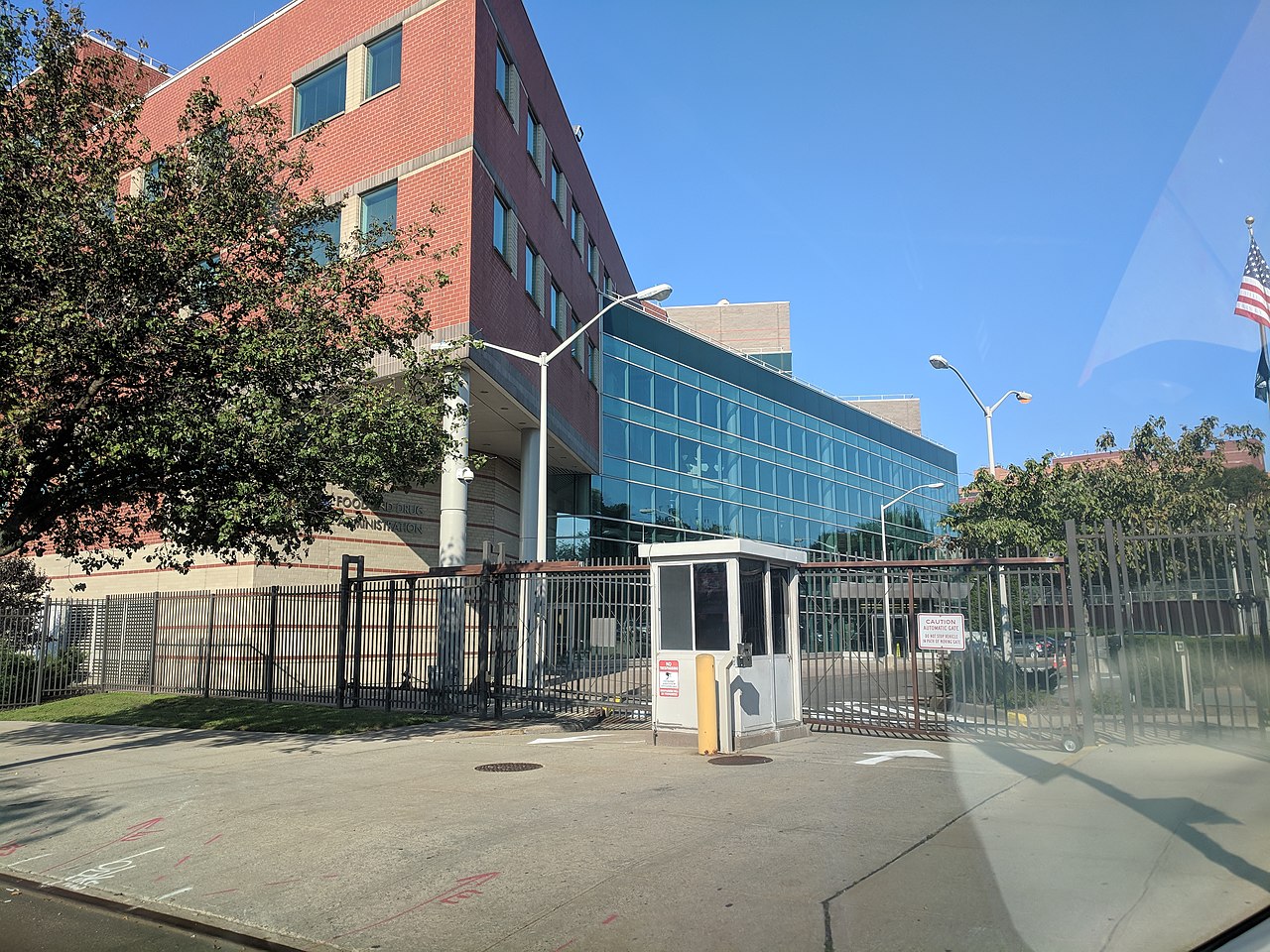
A first-of-its-kind dual-pathway drug for IgA nephropathy wins accelerated FDA approval.
The culture of tech, food & beauty
The companies, people, and ideas reshaping how we build — told as stories, not specs.
A first-of-its-kind dual-pathway drug for IgA nephropathy wins accelerated FDA approval.
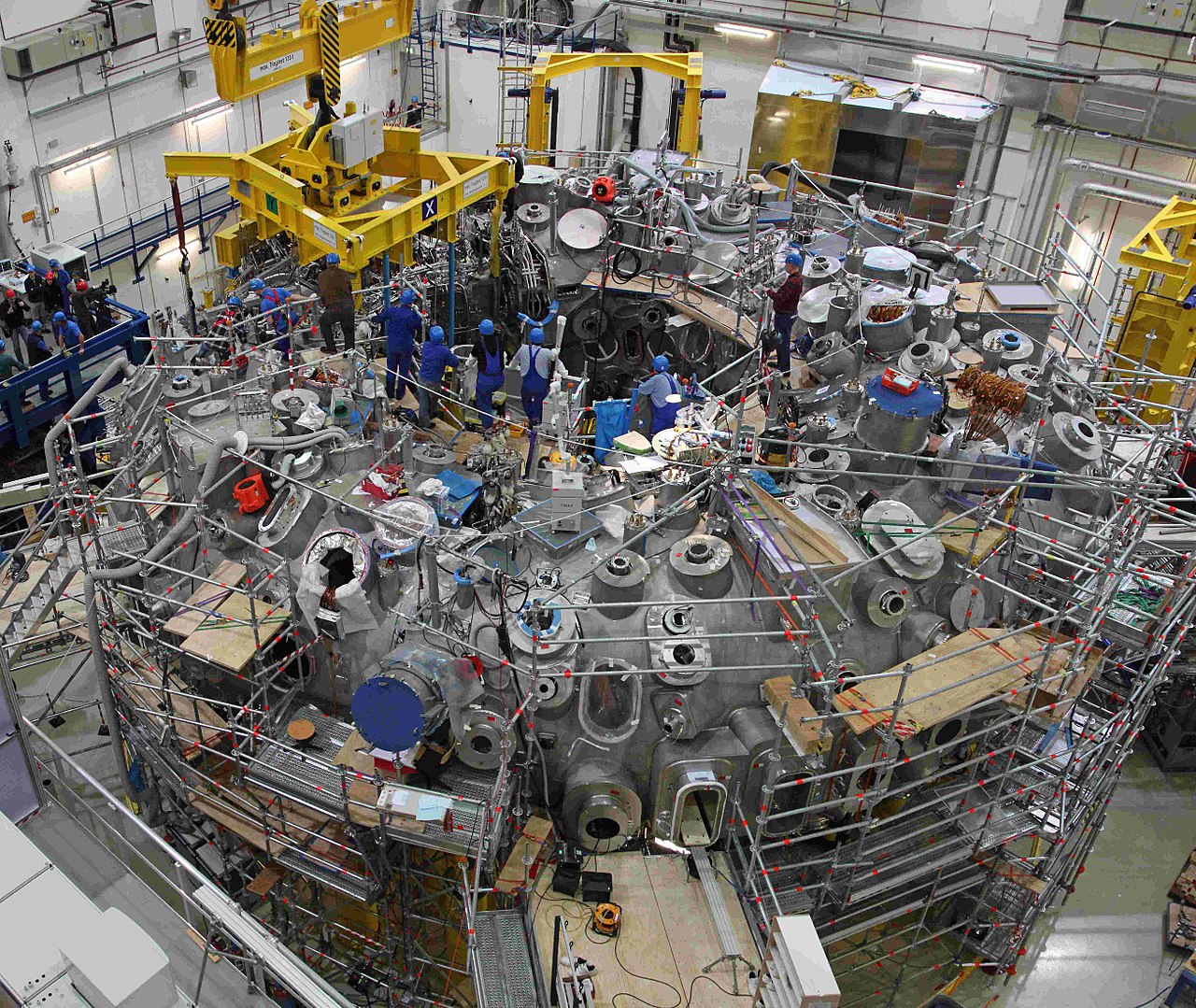
Proxima Fusion’s record European round bets that the stellarator, not the tokamak, gets to fusion power first.
DeepSeek is reportedly designing its own inference chip — China’s AI self-reliance push, in silicon.
Meta’s first media-generation models arrive free and watermarked — and immediately raise a privacy question.
Apple’s largest US manufacturing commitment yet sends more than $30 billion to Broadcom for American-made silicon.
Ariane 6’s upgraded boosters set a new European cargo record while lofting Amazon’s Starlink rival.
The US Department of Energy mapped the road from fusion physics demos to actual power plants.
GSK’s biggest-ever acquisition adds two precision lung-cancer drugs to its pipeline.
GM is moving beyond cars into grid-scale sodium-ion storage for the data-center era.
Japan is funding a sovereign satellite-to-phone network with Rakuten and AST SpaceMobile.
CATL’s chairman cautioned that solid-state batteries are years from mass production — a reality check for the hype.
Unitree is set to be the world’s first listed humanoid-robot maker — a milestone for embodied AI.
Mistral’s OCR 4 turns document extraction into an enterprise play — running entirely on your own infrastructure.
Olin and Huntsman are merging to weather a brutal chemicals cycle — betting scale beats specialization.
Kevin Warsh’s first Fed meeting kept rates steady but signaled a hawkish new direction.
Fox’s $22 billion move for Roku is a legacy broadcaster buying its way into the streaming era.
SpaceX’s ~$75 billion IPO shattered Saudi Aramco’s record and vaulted the rocket company past Tesla in value.
Lucy’s look at a small main-belt asteroid yields outsized clues about the solar system’s past.
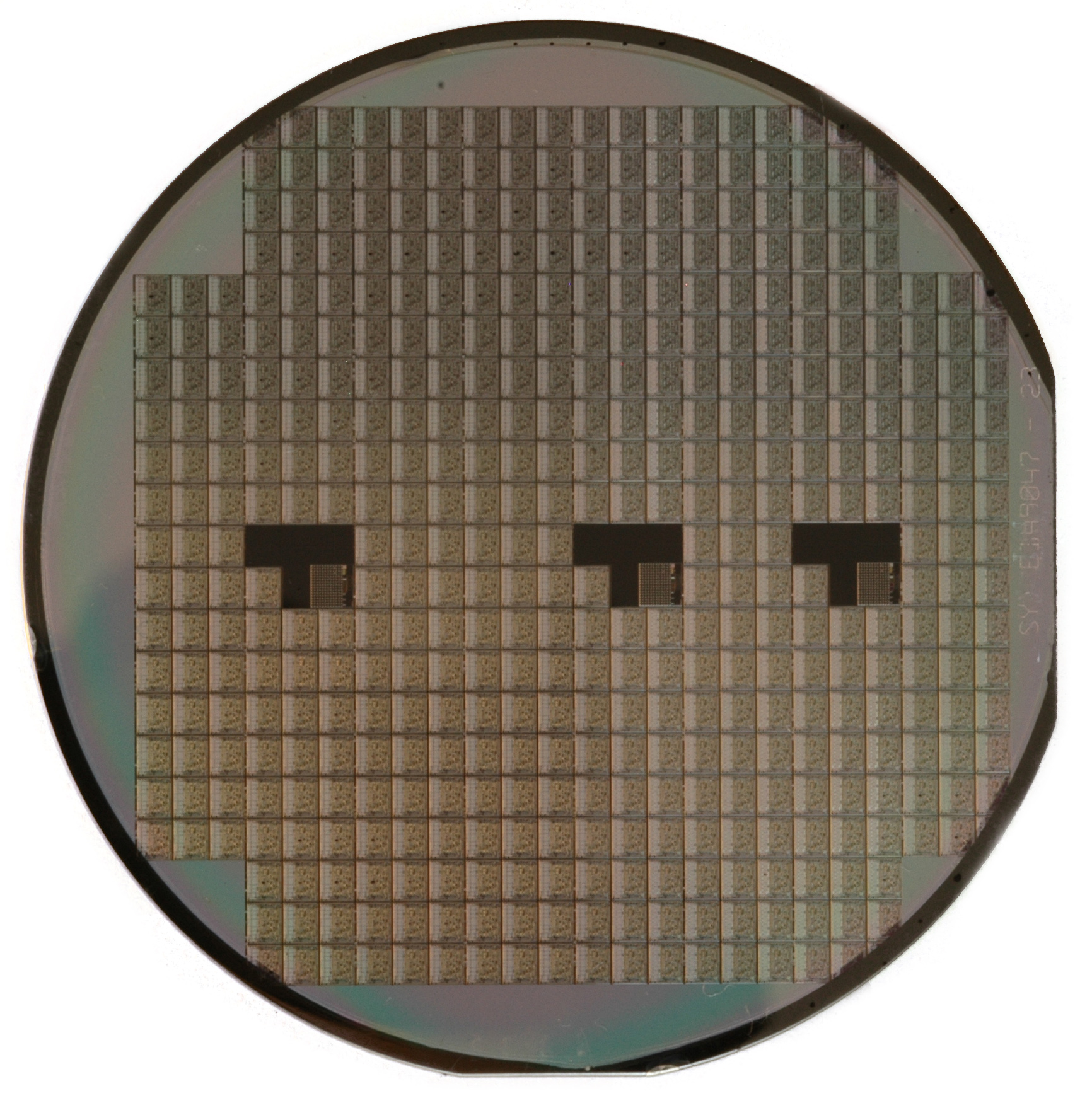
IBM says it has pushed chips past the nanometer into the angstrom era with NanoStack.
Euclid’s 26-hour stare into the galaxy’s center will anchor decades of exoplanet searches.
A single fatal crash in Texas widened a federal probe that now spans 3.2 million Teslas.
The 2026 stress test cleared the banks — and unleashed one of the year’s biggest capital-return waves.
FedEx’s first quarter without Freight was a record — and a reminder that beats don’t always lift the stock.
Valve’s second run at the living-room PC arrives priced at PC-parity, not as a loss leader.
Prime Day 2026 set records on top and showed caution underneath — bigger totals, smaller carts.
Europe’s largest single-year supercomputing expansion, built on Nvidia and aimed at sovereign AI.
Stripped of its founder and IP by Nvidia, Groq raised $650M and rebuilt — this time as a cloud.
A 2.67-gigawatt gas plant built to feed one thing: a Microsoft AI data center in West Texas.
Qualcomm’s push into AI data-center silicon, with Meta as a marquee customer and a doubled revenue ambition.
SpaceX’s first reentry capsule, Starfall, turns the hard part of spaceflight — coming home — into a business.
A breach at Tata Electronics shows how the most valuable secrets in tech often sit not with the brands, but with the suppliers who build for them.
onsemi’s ~$7 billion bet on Synaptics is a wager that AI’s next chapter happens not in the cloud, but in the physical world.
Korea’s two memory leaders reached a fork in late June 2026 — Samsung pressing its HBM4 advantage, SK Hynix retreating toward DDR5 margins.
Anthropic’s latest compute commitments — 1GW+ of leases and up to a million Google TPUs — show how big the second horse in the AI race has become.
Alphabet’s entry into the Dow Jones Industrial Average, announced June 23, 2026, shows how far the famous index has drifted from its industrial roots.
Nvidia’s 2026 shareholder meeting was Jensen Huang’s answer to the AI economy’s loudest doubt — does the spending pay off?
OpenAI designed its own AI chip. What Jalapeño — built with Broadcom for inference — signals about the next phase of the AI hardware race.
Micron’s fiscal Q3 2026 turned the AI memory shortage into the largest quarter in its history. Here is what the record $41.5 billion looks like up close.
Oracle quietly shed roughly 21,000 jobs in a year while its data-center spending soared past $55 billion — a stark portrait of an AI boom that builds infrastructure faster than it builds payrolls.
Amid fears that AI supercharges hackers, OpenAI is making the opposite wager — that its new cyber model and an open-source "Patch the Planet" effort can fix the world's software at machine speed.
For years Meta hid its smart glasses behind Ray-Ban and Oakley. On June 23, 2026 it stepped out from behind the fashion brands with the $299 "Meta Glasses" — and a $399 Kylie Jenner edition.
The stocks that built 2026's AI rally tore it down on June 23 — Micron −11%, SanDisk −12.6%, Korea halted. The strangest part: these companies can't make memory fast enough. What broke was the crowd, not the demand. Informational, not advice.
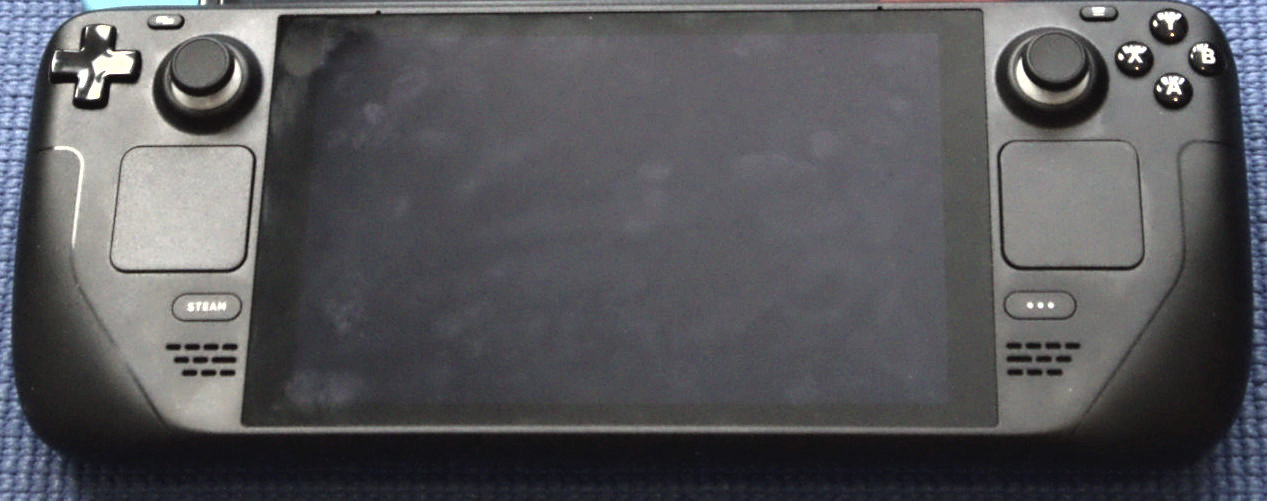
Valve's Steam Machine was meant to be the affordable way into PC gaming. At $1,049, it became a casualty of the same memory shortage driving the AI gold rush.
On June 22 SK Hynix became Korea's most valuable company; on June 23 the market halted as it and Samsung cratered. A wobble in Google's AI story plus a pile of leverage — the whole AI-memory boom in miniature. Informational, not advice.
President Trump said Apple would build its chips with Intel, and the market believed him to the tune of $11 a share. Apple and Intel, notably, have said nothing.
A new index tried to settle the robotaxi question with numbers. Baidu came out on top, Waymo a hair behind, and three of the top four were Chinese — a snapshot of a race the US no longer clearly leads.
For years AWS kept its Trainium silicon to itself. A quiet confirmation in June 2026 that it might sell to outsiders is really a story about who gets to challenge Nvidia.
John Jumper turned AlphaFold into a Nobel and a scientific revolution. His quiet move from DeepMind to Anthropic says something about where the smartest people in AI think the future is being built.
With a ~$4.18 billion move on Dragos, runZero and NetRise, Accenture is wagering that the next cybersecurity frontier is physical — the power plants, pipelines and factories that AI-armed attackers can now reach.
In a few weeks this spring, Korea's analysts rewrote their targets on Samsung and SK Hynix — ₩3.8M on Hynix, ₩850K on Samsung — and still the stocks ran ahead of them. A map of the sell-side board. Informational only.
AI Reddit's mood shifted this week — from wonder at what AI can do to unease about who controls it, after a government pulled the most powerful model offline.
A culture-forward take on why TikTok's Apple Music integration matters for fans, artists, and the way music moves online.
A reported-feature take on how a school tragedy in Yonkers became an internet rumor story before investigators finished their work.
Reddit?s debate over the MSI Claw 8 EX AI+ captures the new handheld era: bigger specs, better screens, and prices that now resemble laptops.
TL;DR — At Computex, Nvidia unveiled the RTX Spark Superchip and said it wants to "reinvent the PC" with Microsoft — putting datacenterclass silicon into ordina
Your audience now includes crawlers and language models. Three low-effort files — an llms.txt index, an AI-welcoming robots.txt, and JSON-LD structured data — make a blog legible to them. Here is the copy-paste stack, with the honest caveats.
OpenAI confidentially filed a draft S-1 with the SEC and announced it on June 8, 2026 — valued at $852 billion, possibly public by Q4 2026, and racing Anthropic and SpaceX to Wall Street in the same two-week window.
A consulting industry has sprung up around "Generative Engine Optimization." The only controlled study to measure it found that three old-fashioned habits move the needle 30-40% — and that the buzziest advice does nothing.
Visa, Mastercard, Stripe and Coinbase are reportedly in early talks to launch a joint stablecoin platform, pointing the card networks' vast distribution straight at Tether and Circle in a market now worth more than $300 billion. The catch: consortiums have a graveyard.
At GTC Taipei on May 31, 2026, TSMC said it will run Nvidia AI across lithography, inspection and fab operations — citing 20–50% lithography gains and 50x faster process simulations — as Nvidia's 336-billion-transistor Rubin GPU heads to production.
A California jury found Meta and Google negligent in the first social-media-addiction bellwether, awarding $6 million by treating the feed as a defective product rather than protected speech. Meta wants it gone.
Anthropic closed a $65 billion Series H at a $965 billion valuation — likely its last private round before an IPO — on a reported $47 billion revenue run rate, with chipmakers writing the checks that matter most.
TypeScript 7.0 is a from-scratch rewrite of the compiler in Go, with 6.0 as a bridge release. The proof it works isn't a speed claim — it's that the new engine matches the old on all but 74 of roughly 20,000 test cases.
A ransomware crew called Nitrogen claims it walked off with 8 terabytes from Foxconn — and inside that haul, allegedly, sit the schematics of Apple, Nvidia and four other tech giants who were never hacked at all.
At I/O 2026 Google launched Gemini 3.5 Flash and \"Gemini Omni,\" rebuilt Search around an AI box Sundar Pichai called its biggest upgrade in 25 years, and cut its top AI plan from $250 to $200.
NASA's Artemis II crew returned April 10, 2026, after flying 695,081 miles — the farthest humans have ever traveled — on the first crewed lunar voyage since Apollo.
Waymo filed a voluntary software recall with NHTSA covering 3,791 robotaxis after an empty vehicle drove into floodwater in San Antonio and was swept into Salado Creek. The fix ships over the air.