From $15 Billion to $1.4 Billion: Olaplex Finds a Home at Henkel
Olaplex IPO’d near $15 billion in 2021 and sold for $1.4 billion. Henkel now owns it.
The culture of tech, food & beauty
Everything in one place — 141 posts and counting.
Olaplex IPO’d near $15 billion in 2021 and sold for $1.4 billion. Henkel now owns it.
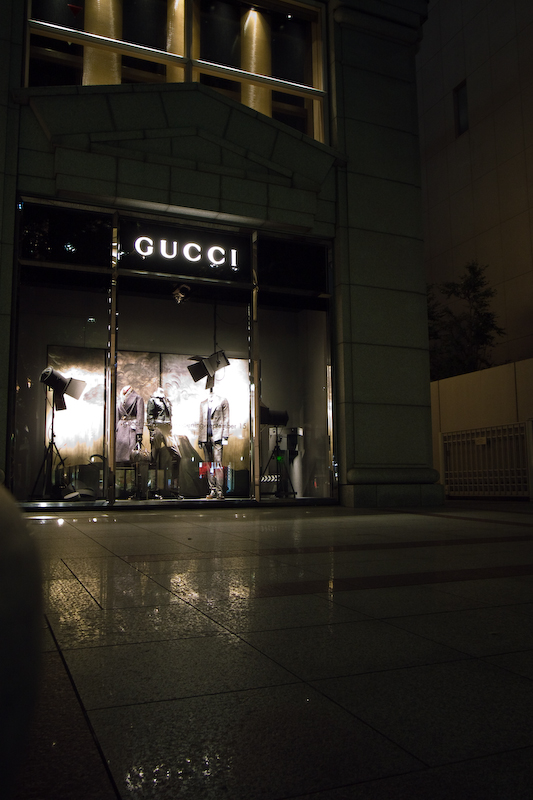
L’Oréal prises Gucci beauty from Coty in a 50-year licence — the prestige-fragrance duel escalates.
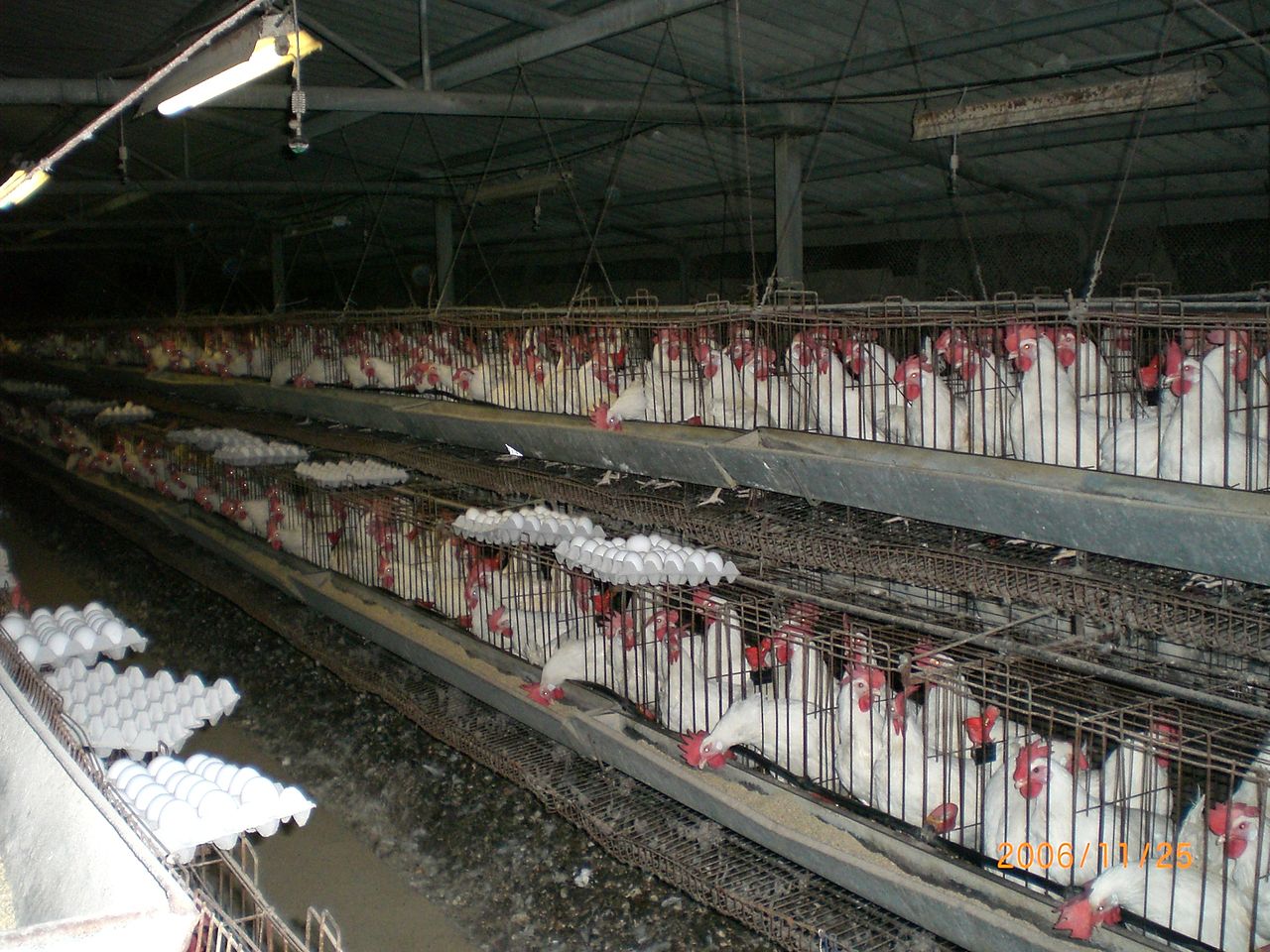
A million-hen Utah egg barn breaks a month-long bird-flu lull — and puts egg prices back in play.
Twelve cases, four hospitalizations — the frozen-blueberry E. coli outbreak shows how a small outbreak can still be serious.
After its $25 billion Albertsons merger collapsed, Kroger returns to M&A with a $1.65 billion regional bolt-on.
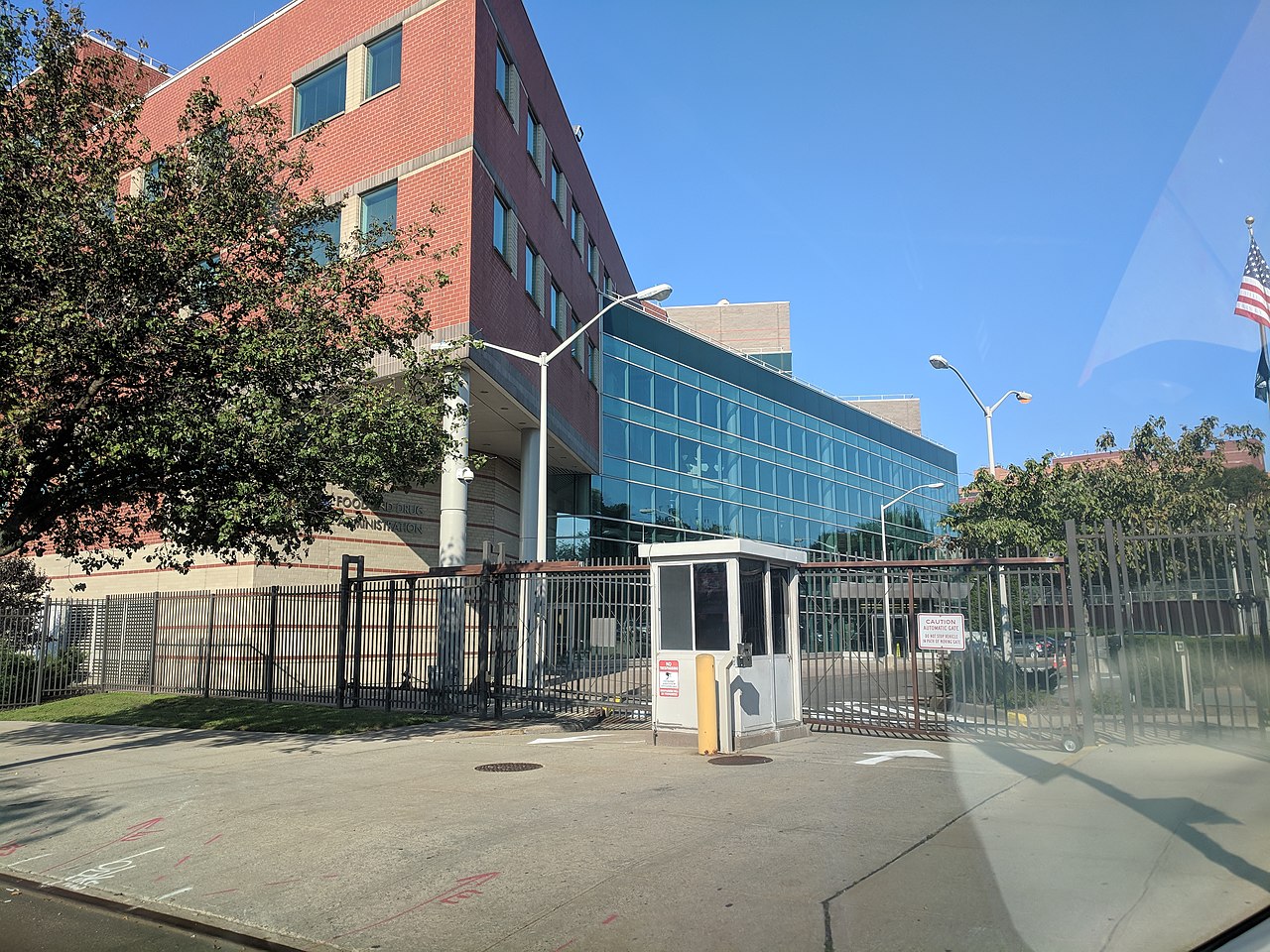
A first-of-its-kind dual-pathway drug for IgA nephropathy wins accelerated FDA approval.
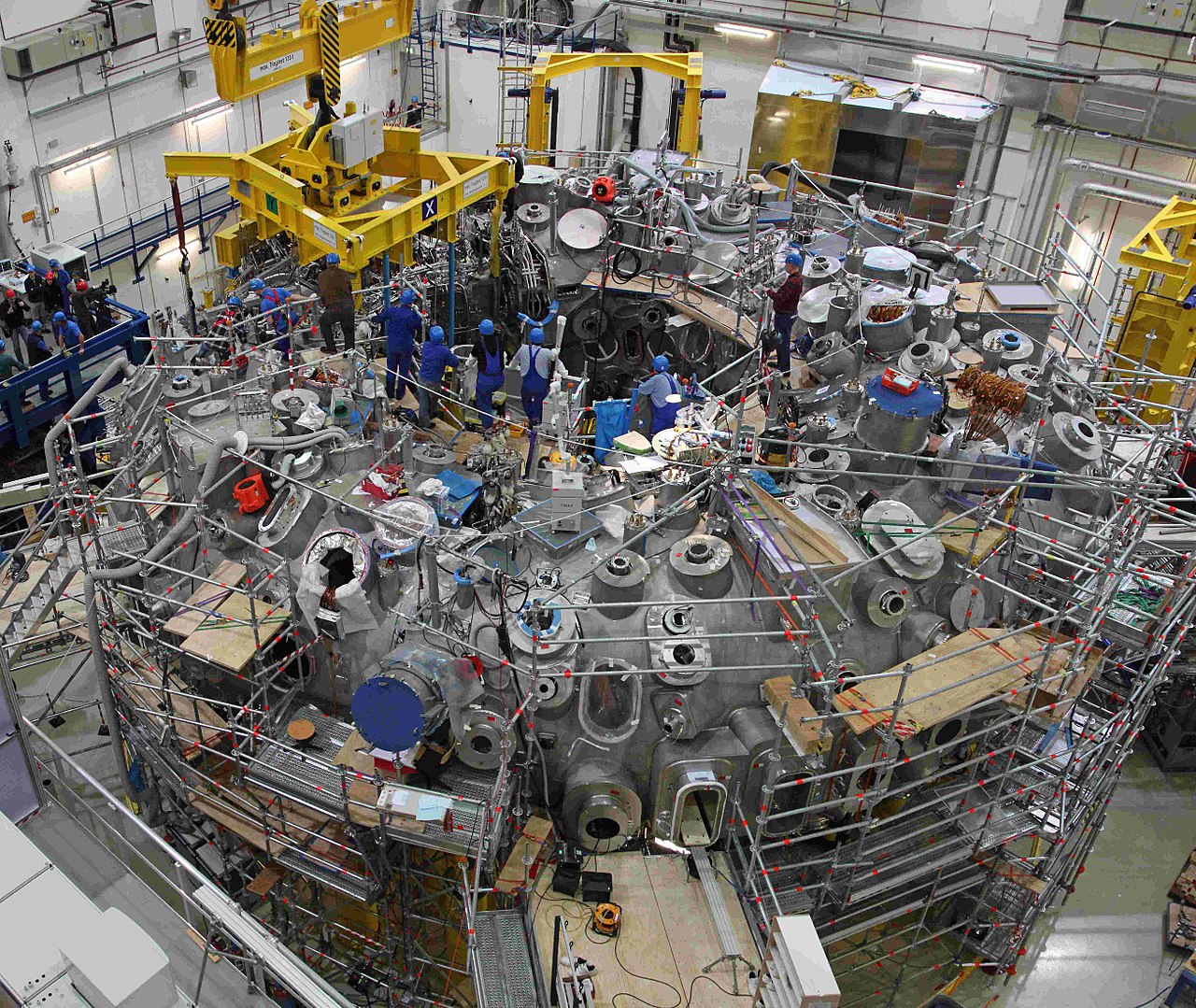
Proxima Fusion’s record European round bets that the stellarator, not the tokamak, gets to fusion power first.
DeepSeek is reportedly designing its own inference chip — China’s AI self-reliance push, in silicon.
Meta’s first media-generation models arrive free and watermarked — and immediately raise a privacy question.
Apple’s largest US manufacturing commitment yet sends more than $30 billion to Broadcom for American-made silicon.
Samyang invented Korea’s instant ramyun and later went viral with Buldak. The best of its lineup, ranked.
One tier list to start every argument: the best instant ramen, sorted S to B.
If texture is everything, these are the chewiest instant noodles — and how to cook them.
Mild, friendly and fuss-free — the best ramyun for younger eaters.
Spicy seafood broth and chewy noodles — Korea’s best seafood ramyun, ranked.
Korea’s two most famous noodles, head to head: the comforting soup vs the fiery stir-fry.
A few cheap additions turn instant ramen into a real meal. The best upgrades, ranked.
Stocking the pantry online? The best instant ramen worth ordering, ranked.
Meat-free instant ramen that actually tastes great — the best plant-based picks.
Spicy and chewy or subtle and savory? Korean and Japanese instant ramen, side by side.
Instant noodles can taste restaurant-made. The best gourmet bowls, ranked.
You don’t need to spend much for a great bowl. The best cheap instant ramen, ranked.
What to cook the morning after — Korea’s most comforting soup ramyun.
Korea’s best no-broth noodles, from savory black-bean to sweet-spicy cold mixes.
Cheese tames chili and adds richness — the best cheesy Korean ramyun and how to build your own.
From creamy Carbonara to Nuclear: the Buldak flavors that matter, ranked.
The original Shin Ramyun and its premium sibling, Shin Black, side by side.
Korean ramyun without the fire — the most comforting low-heat picks.
A ranked tour of Korea’s hottest instant ramen, from merely spicy to genuinely punishing.
Which Korean instant ramyun should you try first? A ranked guide across spicy soups, fiery stir-fries and savory black-bean noodles.
Waldencast is shedding Obagi to become a pure-play color-cosmetics company around Milk Makeup.
Rhode’s first move into Latin America shows e.l.f. scaling a celebrity brand worldwide.
Boots is at a fork — a ~$10 billion trade sale or a London listing — with suitors circling.
Glossier’s $45M debt deal signals a maturing, retail-disciplined chapter — not another hype round.
MorningStar Farms pulled two frozen products over plastic fears — a trust test for plant-based.
Cocoa spiked to a five-month high then slid — a market caught between weather worry and recovering supply.
A Dutch mycoprotein maker’s €18M raise — and a first-of-its-kind EU approval — buck the alt-protein gloom.
Papa John’s is shrinking its footprint to lift sales — a retreat as Domino’s gains.
Ariane 6’s upgraded boosters set a new European cargo record while lofting Amazon’s Starlink rival.
The US Department of Energy mapped the road from fusion physics demos to actual power plants.
GSK’s biggest-ever acquisition adds two precision lung-cancer drugs to its pipeline.
GM is moving beyond cars into grid-scale sodium-ion storage for the data-center era.
Japan is funding a sovereign satellite-to-phone network with Rakuten and AST SpaceMobile.
CATL’s chairman cautioned that solid-state batteries are years from mass production — a reality check for the hype.
Unitree is set to be the world’s first listed humanoid-robot maker — a milestone for embodied AI.
Mistral’s OCR 4 turns document extraction into an enterprise play — running entirely on your own infrastructure.
Olin and Huntsman are merging to weather a brutal chemicals cycle — betting scale beats specialization.
Kevin Warsh’s first Fed meeting kept rates steady but signaled a hawkish new direction.
Fox’s $22 billion move for Roku is a legacy broadcaster buying its way into the streaming era.
SpaceX’s ~$75 billion IPO shattered Saudi Aramco’s record and vaulted the rocket company past Tesla in value.
The EU agreed to cut cosmetics red tape — €363M a year — without gutting its safety net.
Givaudan adds a fast-growing Spanish fragrance house to its empire — scale buying scale.
The U.S. finally cleared a sunscreen filter Europe has used for decades — bemotrizinol.
Bath & Body Works leaves its own four walls for the first time at scale — landing in Ulta.
A 23-year Times Square run ends as Red Lobster bets on a leaner, profitable comeback.
A cold front over southern Brazil nudged coffee prices up — but a big crop caps the rally.
A 75-year low in the U.S. cattle herd is the simple, stubborn reason beef keeps breaking price records.
Three soda giants agreed on one standard: a QR code that explains what’s in the can.
Lucy’s look at a small main-belt asteroid yields outsized clues about the solar system’s past.
IBM says it has pushed chips past the nanometer into the angstrom era with NanoStack.
Euclid’s 26-hour stare into the galaxy’s center will anchor decades of exoplanet searches.
A single fatal crash in Texas widened a federal probe that now spans 3.2 million Teslas.
The 2026 stress test cleared the banks — and unleashed one of the year’s biggest capital-return waves.
FedEx’s first quarter without Freight was a record — and a reminder that beats don’t always lift the stock.
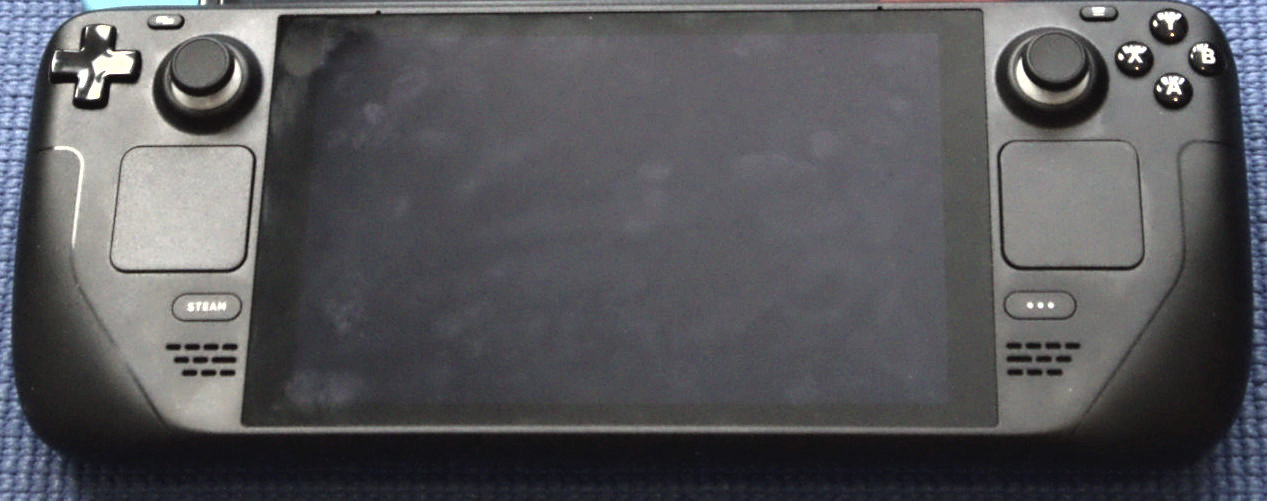
Valve’s second run at the living-room PC arrives priced at PC-parity, not as a loss leader.
Prime Day 2026 set records on top and showed caution underneath — bigger totals, smaller carts.
Europe’s largest single-year supercomputing expansion, built on Nvidia and aimed at sovereign AI.
Stripped of its founder and IP by Nvidia, Groq raised $650M and rebuilt — this time as a cloud.
A 2.67-gigawatt gas plant built to feed one thing: a Microsoft AI data center in West Texas.
Qualcomm’s push into AI data-center silicon, with Meta as a marquee customer and a doubled revenue ambition.
SpaceX’s first reentry capsule, Starfall, turns the hard part of spaceflight — coming home — into a business.
e.l.f.’s move into haircare extends a simple, ruthless idea: take what’s expensive, make it cost $6–$10, and sell it where the internet shops.
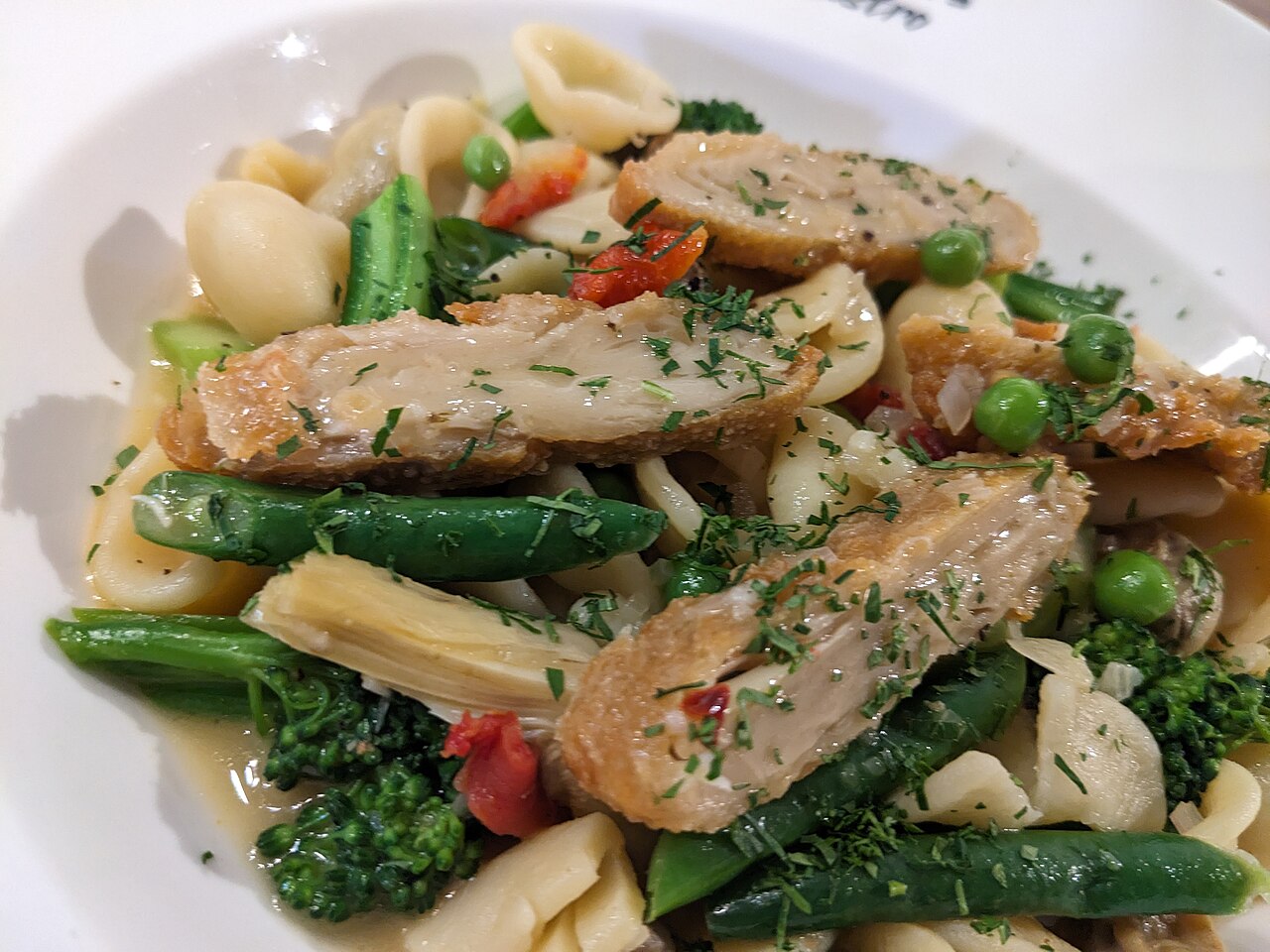
Darden’s fiscal 2026 results show a quiet shift at the American dinner table: the steakhouse is pulling ahead of the pasta bowl.
A breach at Tata Electronics shows how the most valuable secrets in tech often sit not with the brands, but with the suppliers who build for them.
onsemi’s ~$7 billion bet on Synaptics is a wager that AI’s next chapter happens not in the cloud, but in the physical world.
Seven months after the largest infant-formula botulism outbreak on record, a smaller, quieter recall arrived — a reminder the system’s nerves are still raw.
L’Oréal’s June 18, 2026 deal for India’s Innovist turns the industry’s favorite slogan — win India — into a signature.
L’Oréal’s June 17, 2026 partnership with OpenAI is a bet that the next era of beauty is sold through conversation, not just images.
The Q1 2026 K-ramen numbers reveal a fault line: one brand owns America, the other owns Asia.
Korea’s two memory leaders reached a fork in late June 2026 — Samsung pressing its HBM4 advantage, SK Hynix retreating toward DDR5 margins.
Anthropic’s latest compute commitments — 1GW+ of leases and up to a million Google TPUs — show how big the second horse in the AI race has become.
Alphabet’s entry into the Dow Jones Industrial Average, announced June 23, 2026, shows how far the famous index has drifted from its industrial roots.
Nvidia’s 2026 shareholder meeting was Jensen Huang’s answer to the AI economy’s loudest doubt — does the spending pay off?
OpenAI designed its own AI chip. What Jalapeño — built with Broadcom for inference — signals about the next phase of the AI hardware race.
Micron’s fiscal Q3 2026 turned the AI memory shortage into the largest quarter in its history. Here is what the record $41.5 billion looks like up close.
A personal essay on Nongshim's Shin Ramyun — the smell that takes over a kitchen, the heat that comforts more than it punishes, and why reliability is its own kind of greatness.
Oracle quietly shed roughly 21,000 jobs in a year while its data-center spending soared past $55 billion — a stark portrait of an AI boom that builds infrastructure faster than it builds payrolls.
Estée Lauder's new Scent Scanner reads the images you've pinned and turns your visual taste into a Jo Malone fragrance — the beauty counter's latest move to meet you where your taste already lives.
Ingredion's $3.6 billion takeover of Tate & Lyle unites two giants of the unbranded ingredients — the sweeteners, fibers and texturizers that quietly shape thousands of packaged foods.
Amid fears that AI supercharges hackers, OpenAI is making the opposite wager — that its new cyber model and an open-source "Patch the Planet" effort can fix the world's software at machine speed.
For years Meta hid its smart glasses behind Ray-Ban and Oakley. On June 23, 2026 it stepped out from behind the fashion brands with the $299 "Meta Glasses" — and a $399 Kylie Jenner edition.
The stocks that built 2026's AI rally tore it down on June 23 — Micron −11%, SanDisk −12.6%, Korea halted. The strangest part: these companies can't make memory fast enough. What broke was the crowd, not the demand. Informational, not advice.
For years, Korean beauty conquered the world from Korea. A quiet deal for a 70-year-old French cosmetics maker marks the moment K-beauty's money decided to own the means of production abroad.
A year ago Kraft Heinz was going to split into two companies. Instead it's staying whole and reorganizing into three regions — a quieter bet that the problem was how it runs, not what it is.
Valve's Steam Machine was meant to be the affordable way into PC gaming. At $1,049, it became a casualty of the same memory shortage driving the AI gold rush.
On June 22 SK Hynix became Korea's most valuable company; on June 23 the market halted as it and Samsung cratered. A wobble in Google's AI story plus a pile of leverage — the whole AI-memory boom in miniature. Informational, not advice.
The company that turned Pizza Hut into a global icon is selling it for $2.7 billion — split between a private-equity firm and its own China arm — to bet everything on KFC and Taco Bell.
President Trump said Apple would build its chips with Intel, and the market believed him to the tune of $11 a share. Apple and Intel, notably, have said nothing.
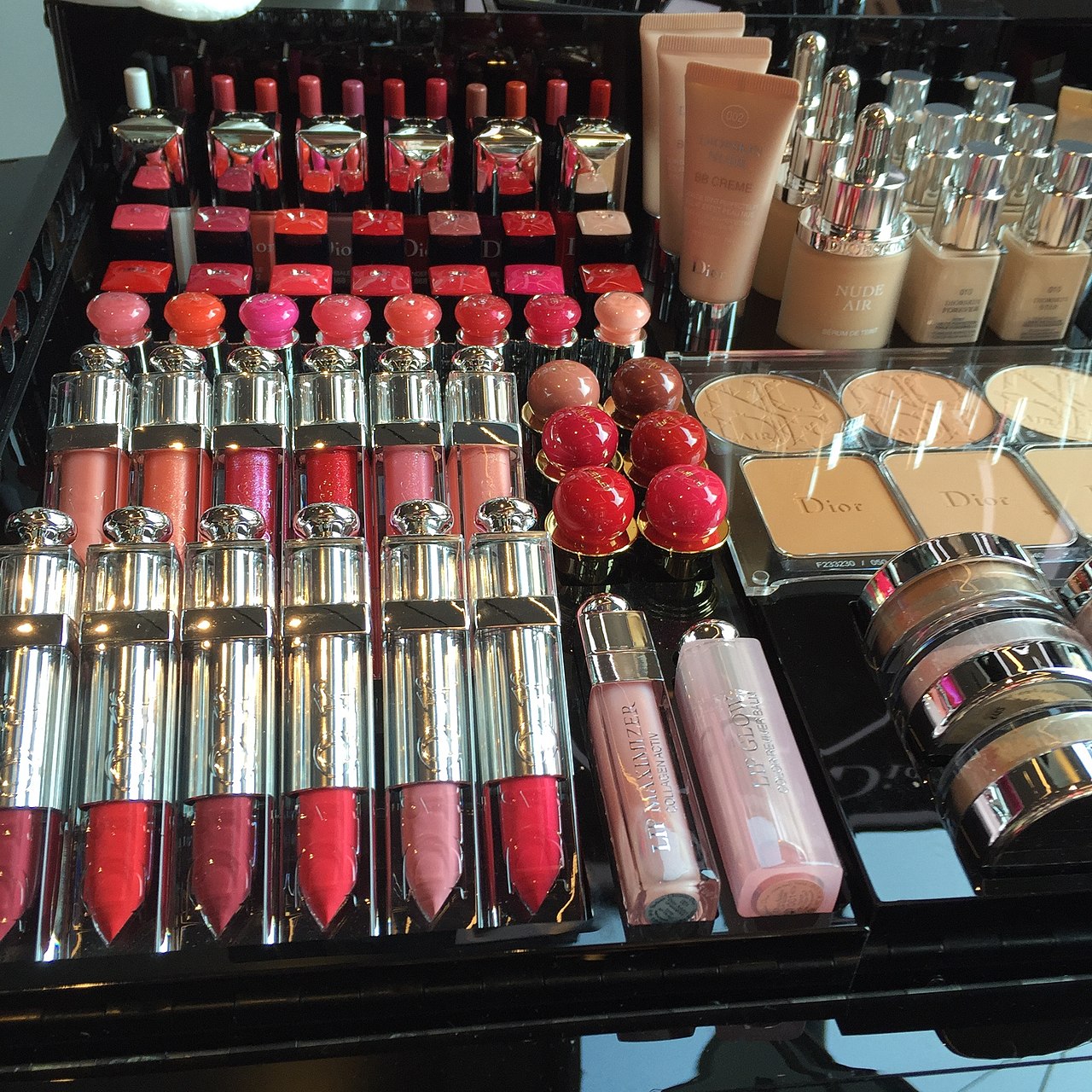
L'Oréal's Cell BioPrint reads the proteins in your skin in five minutes and tells you whether your serum will even work. After a CES debut, it's now arriving in Lancôme stores.
L'Oréal hadn't bought an Indian company since 2013. Its majority stake in digital-first Innovist is a bet that the future of beauty is being written in Bengaluru, not just Paris.
A new index tried to settle the robotaxi question with numbers. Baidu came out on top, Waymo a hair behind, and three of the top four were Chinese — a snapshot of a race the US no longer clearly leads.
For years AWS kept its Trainium silicon to itself. A quiet confirmation in June 2026 that it might sell to outsiders is really a story about who gets to challenge Nvidia.
John Jumper turned AlphaFold into a Nobel and a scientific revolution. His quiet move from DeepMind to Anthropic says something about where the smartest people in AI think the future is being built.
L'Oréal's alliance with OpenAI is a wager on where beauty gets discovered and sold next — inside the chat window, where 900 million people a week already are.
A small organic brand's recall after three babies fell ill is the second formula-linked botulism outbreak since November — and it has put the safety of America's infant-formula supply back under the microscope.
With a ~$4.18 billion move on Dragos, runZero and NetRise, Accenture is wagering that the next cybersecurity frontier is physical — the power plants, pipelines and factories that AI-armed attackers can now reach.
In a few weeks this spring, Korea's analysts rewrote their targets on Samsung and SK Hynix — ₩3.8M on Hynix, ₩850K on Samsung — and still the stocks ran ahead of them. A map of the sell-side board. Informational only.
AI Reddit's mood shifted this week — from wonder at what AI can do to unease about who controls it, after a government pulled the most powerful model offline.
A culture-forward take on why TikTok's Apple Music integration matters for fans, artists, and the way music moves online.
A reported-feature take on how a school tragedy in Yonkers became an internet rumor story before investigators finished their work.
Reddit?s fast-food argument over Jersey Mike?s and Chick-fil-A captures a bigger dining mood: customers want speed, but they also want the meal to feel worth it.
We read the official label on 30 best-selling US ramens. The aisle splits into the $0.40 sodium bomb and the $7 protein cup — and one bowl wins both ends.
Reddit?s debate over the MSI Claw 8 EX AI+ captures the new handheld era: bigger specs, better screens, and prices that now resemble laptops.
A Reddit thread about bemotrizinol captures the bigger story behind Korean SPF: shoppers want featherlight daily protection, while U.S. rules still decide which formulas can cross the shelf.
TL;DR — At Computex, Nvidia unveiled the RTX Spark Superchip and said it wants to "reinvent the PC" with Microsoft — putting datacenterclass silicon into ordina
Samyang took its punishing fire-chicken noodle, softened it with a creamy cheese sauce, and accidentally made the Buldak that spice-shy eaters keep in the cupboard. A look at why Carbonara works.
A year after bird flu made eggs the symbol of grocery inflation, U.S. prices fell 44.7% year-over-year in March 2026 and the USDA sees a ~30% drop for the year. Now the problem is a surplus nobody can quite count.
Korean instant ramyeon crossed $1.52 billion in exports in 2025 — the first single Korean food ever to clear $1.5 billion. The numbers, the films and challenges that fueled it, and why the biggest buyer is China, not America.
South Dakota became the 8th US state to restrict cultivated meat — a five-year freeze (2026–2031) that Gov. Larry Rhoden signed only after vetoing a permanent ban on free-market grounds. The catch: there is almost nothing in the state to ban.
Your audience now includes crawlers and language models. Three low-effort files — an llms.txt index, an AI-welcoming robots.txt, and JSON-LD structured data — make a blog legible to them. Here is the copy-paste stack, with the honest caveats.
OpenAI confidentially filed a draft S-1 with the SEC and announced it on June 8, 2026 — valued at $852 billion, possibly public by Q4 2026, and racing Anthropic and SpaceX to Wall Street in the same two-week window.
Samyang's Buldak began in 2012 when an executive watched diners suffer through a spicy chicken dish and told R&D to make it worse. A 2014 challenge made it global; a 2024 Danish recall — quickly reversed — only made it bigger.
A consulting industry has sprung up around "Generative Engine Optimization." The only controlled study to measure it found that three old-fashioned habits move the needle 30-40% — and that the buzziest advice does nothing.
A milk-chocolate bar engineered for the TikTok crack-and-ooze helped drive pistachio prices from about $7.65 to $10.30 a pound and pushed UAE pistachio imports from Iran up 40%. The bakers who never went viral are paying for it.
A hot, dry autumn in Spain trimmed the world's 2025/26 olive oil harvest by about 4%, to roughly 3.44 million tonnes, with the planet's biggest growing region, Jaén, cutting its outlook some 20%. Yet prices are falling — for now.
Visa, Mastercard, Stripe and Coinbase are reportedly in early talks to launch a joint stablecoin platform, pointing the card networks' vast distribution straight at Tether and Circle in a market now worth more than $300 billion. The catch: consortiums have a graveyard.
Korea's first instant ramyeon launched in 1963 at 10 won a pack, born from post-war hunger and a soup recipe slipped across a Tokyo airport in secret. The story of how a cheap wheat noodle turned into a national habit — and why it is not Japanese ramen.
At GTC Taipei on May 31, 2026, TSMC said it will run Nvidia AI across lithography, inspection and fab operations — citing 20–50% lithography gains and 50x faster process simulations — as Nvidia's 336-billion-transistor Rubin GPU heads to production.
Kadeau filed for bankruptcy in the first weeks of the pandemic in March 2020. In the 2026 Nordic guide it won its third Michelin star — arriving the very year Noma closed its doors.
Arabica futures touched a record $4.40/lb in early 2025, then slid toward $2.50/lb by mid-2026 as Brazil barrels toward a record harvest. The rally, it turns out, was never really about beans.
A California jury found Meta and Google negligent in the first social-media-addiction bellwether, awarding $6 million by treating the feed as a defective product rather than protected speech. Meta wants it gone.
Anthropic closed a $65 billion Series H at a $965 billion valuation — likely its last private round before an IPO — on a reported $47 billion revenue run rate, with chipmakers writing the checks that matter most.
Sysco is buying Jetro Restaurant Depot for roughly $29.1 billion to crack the cash-and-carry channel — 166 warehouses, about $16 billion in sales, and 725,000 independent restaurants too small for a delivery truck.
TypeScript 7.0 is a from-scratch rewrite of the compiler in Go, with 6.0 as a bridge release. The proof it works isn't a speed claim — it's that the new engine matches the old on all but 74 of roughly 20,000 test cases.
A multi-year Listeria outbreak traced to Clover Hill Dairy's requeson has sickened 9 people across 3 states, hospitalizing 8 and killing 1. Maryland suspended the plant on May 30, 2026, and the company recalled all its cheese.
A ransomware crew called Nitrogen claims it walked off with 8 terabytes from Foxconn — and inside that haul, allegedly, sit the schematics of Apple, Nvidia and four other tech giants who were never hacked at all.
At I/O 2026 Google launched Gemini 3.5 Flash and \"Gemini Omni,\" rebuilt Search around an AI box Sundar Pichai called its biggest upgrade in 25 years, and cut its top AI plan from $250 to $200.
NASA's Artemis II crew returned April 10, 2026, after flying 695,081 miles — the farthest humans have ever traveled — on the first crewed lunar voyage since Apollo.
South Korean kimchi exports are on track to top 2024's record $163.6 million, yet the country is running a kimchi trade deficit of $22 million as cheap Chinese imports flood its own restaurants.
In a tightly controlled Virginia Tech crossover trial, adults aged 18–21 ate more calories and snacked when not hungry after two weeks of ultra-processed food. Slightly older adults did not.
Waymo filed a voluntary software recall with NHTSA covering 3,791 robotaxis after an empty vehicle drove into floodwater in San Antonio and was swept into Salado Creek. The fix ships over the air.